
The 5-point pattern explained round by round, mini stars for the tree and gift wrap, a stiff tree topper, the 5-petal...
0
Carrello della spesa
0 prodotti
Search in blog
Blog categories
Latest posts
5 cozy hobbies to try to switch your brain off
Read more
Read More
Turn off notifications, slow down and let your hands do the work. From timeless classics like crochet and embroidery...
Crochet and Knit Cowl: Patterns, Tutorials and Yarns
Read more
Read More
A warm, soft neck warmer made by you: our makers' tutorials in crochet and on circular needles, sizes for women, men...
Crochet doesn’t hibernate: here’s how we’ll wear it this fall
Read more
Read More
Autumn 2026 crochet trends are all about details, layering and texture. From fringed ponchos and vests to crochet...
Christmas crochet decorations: ideas, patterns and yarns
Read more
Read More
Baubles, stars, wreaths, houses and amigurumi: all the Christmas decorations to crochet, with step-by-step tutorials...
Popular posts

Summer 2026 Crochet Bags: the Trending Models
Mini, medium, maxi or shopper? Discover the crochet bag models trending for summer 2026, with the Tessiland creators'...
Read more
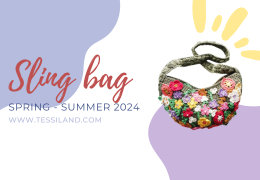
Crochet bags for spring summer 2024. 5 models of handmade sling bags.
Discover the latest trends for Spring/Summer 2024 with our exclusive guide to 5 crochet sling bag models. Perfect for...
Read more
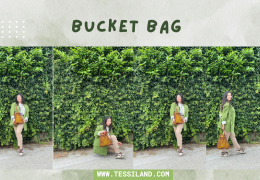
The Crochet Net Bucket Bag: A Trendy Accessory for 2024
Learn how to make a crochet net bucket bag with our simple and detailed tutorial. Use elastic cord, a size 5 crochet...
Read more
Crochet rugs, a passion that is becoming a trend.
In this article, dive into the art of crochet rugs and discover how to create unique and personalized pieces for your...
Read more
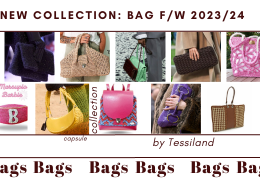
From runways to street style: the trendiest crochet bags.
Are you also passionate about handmade items and want to create your own capsule collection of crochet bags? Here are...
Read more

How to make a crochet bag: the practical guide to structure, yarn and models
How to make a crochet bag: the practical guide to structure, yarn and models
Dear reader, welcome to the Crochet Bags column. First of all: thank you. A real, heartfelt thank you. Now let's get to the point, because I know you are here for the bags. Have you ever thought how much beauty, style and function a handmade bag can hold? To me it is almost a declaration of love: to creativity, to patience, to fashion that reinvents the rules. In this guide I answer the three questions we hear most often: lining yes or no? How much yarn do you need? Which bag for each season?
Do I really have to line a handmade bag?
.png)
The question of questions. The answer? Yes. And also no. It all depends on her: your bag.
Pros of lining:
- it shapes the bag, especially with soft yarn;
- it protects the contents and hides the "back" of the work;
- it makes the bag last longer.
Cons:
- it takes extra time (and patience!);
- a bad choice can weigh the bag down;
- badly sewn, it can "pull" or deform the bag.
True crocheter tip: if needle and thread are not your thing, fabric glue exists. Perfect for clutches and small pouches, less so for structured maxi bags. And remember: ready-made linings you just slip in exist too.
For everything else — the right fabric, measurements and three step-by-step techniques — there is the complete guide to lining a bag.
Which material should you choose to structure the bag?
A whole world opens up here. Each material has its job:
- Cotton lining: my favourite for "serious" bags. Slightly ribbed grain, strong, not too stiff. Perfect for everyday and city models;
- Salpa: a technical material used inside for support. It looks like cardboard but it is flexible and sewable. It structures, it does not decorate;
- Thermosetting stiffener: this is next level. It activates with the iron (and does not forgive mistakes). Rigidity and hold: ideal for defined corners and a stable body. There is also an eco-leather effect version you can leave visible;
- Plastic mesh: debated, yes, but useful for "shell" construction. Careful: on small, heavily worked bags it can be bulky;
- Pre-formed shell: with an eco-leather or rigid canvas shell, lining is not mandatory. They usually come reinforced and designed for crocheting directly onto them.
The point is this: there is no single rule. There is your bag, your style and the result you want. Line it, yes — but with judgement.
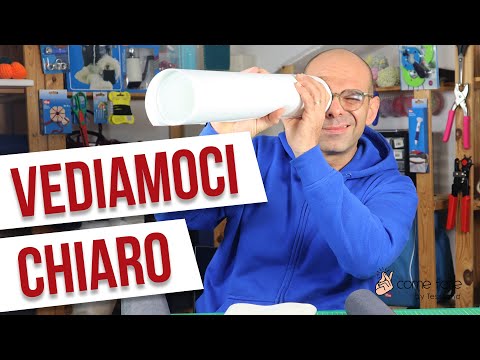
Video: how to stiffen a bag with thermosetting materials
The differences in application, explained by Tessiland (in Italian).
Watch the video →
The differences in application, explained by Tessiland (in Italian).
Watch the video →
How much yarn do you need for a crochet bag?
.jpg)
Spoiler: it depends. I know, you would like a straight answer, like "300 grams, done". But many factors matter. Ignoring them leads straight to the drama of the ball running out halfway through the handle. Here is the reasoned guide, model by model.
Pouch / Clutch
.jpg)
Small, elegant, perfect to start with. Average use: 100-150 g of cord or technical yarn. With fine yarns or tight stitches, count up to 200 g. Add a wrist handle, lining and decorations: bring one extra ball. Here is the clutch bag tutorial step by step.
Medium everyday bag
.jpg)
The multitasker's favourite: not too big, but it fits everything. Average use: 300-400 g. With tight single crochet or double strand you can reach 500 g. Soft structure = less yarn than a rigid bag with reinforcements. Try the quick and easy chunky handbag.
Large shopper / Tote
For the city or the beach, this is serious business. Average use: 500-700 g. With a rigid base and long handles, consider up to 800 g. An openwork stitch is a great way to save yarn.
Backpack or bucket bag
Sporty, cool and often underestimated. Average use: 400-600 g. Drawstrings, pockets and the cylindrical body raise the need. Lined and with a reinforced base, plan at least 700 g total. Here is the mesh bucket bag pattern.
Beach bag with shell
The star is the contrast between the rigid base and the crocheted body. Average use: 200-300 g: with a shell or shaped mesh, yarn is only needed for the sides and volume. Perfect for saving yarn without giving up the "wow".
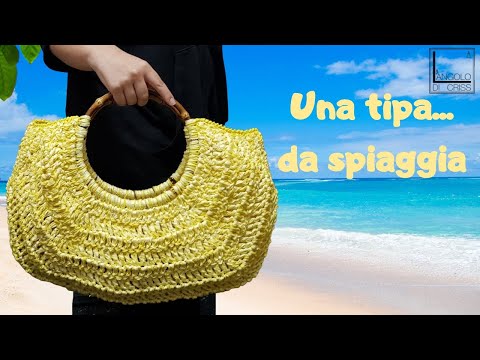
Tutorial: SALINA raffia beach bag
by Cristiana Rossi — step-by-step video on Tessiland Studio (in Italian).
Watch the tutorial →
by Cristiana Rossi — step-by-step video on Tessiland Studio (in Italian).
Watch the tutorial →
The factors that change yarn use
- Stitch used: single crochet = more compact = more yarn. Mesh or openwork stitches = less yarn and more lightness;
- Yarn type: flat, matte or shiny cords yield differently. A fine yarn worked double uses more than twice a technical yarn worked single;
- Double work: double-layer base or important borders? Do not be stingy: double the estimate.
No more guessing: the Yarn Calculator in Tessiland Studio is free and tells you how many grams and balls your project needs. The interface is currently in Italian, but very intuitive.
Advice from someone who already made the mistake for you: always, always, always buy one extra ball. Dye lots change, yarn runs out. And nothing is more frustrating than a perfect bag… unfinished. Besides, leftovers make a matching keyring. Or a second bag: we all know one leads to another.
A crochet bag for every season
.png)
Fashion changes, tastes evolve, but one golden rule remains: every season has its perfect bag. For style, for materials and — let's say it — for emotion.
Spring: light as a stroll
Fresh, essential, a little free. The ideal one? The Daisy bag: made in a few hours, goes with everything. Go for a simple stitch with a contrasting detail: a tassel, a button, a wooden clasp.
Summer: bright, roomy and salty
The queen is the beach bag. The yarn becomes raffia, light cord, jute: everything that stands up to sand, sun and salt. Wide, colourful, maybe with a rigid base or shell. Try the Spring bag in a big version, with ethnic details, fringes or bamboo handles. Summer is the only season where excess is allowed. Actually: recommended.
Autumn: compact, urban
Crisp air, urban pace: the bag becomes solid and compact. My tip is a half-moon model with the Pappardella ribbon yarn, carried by hand. Forest, wood and black tones. Here is the tutorial by Tessiland:
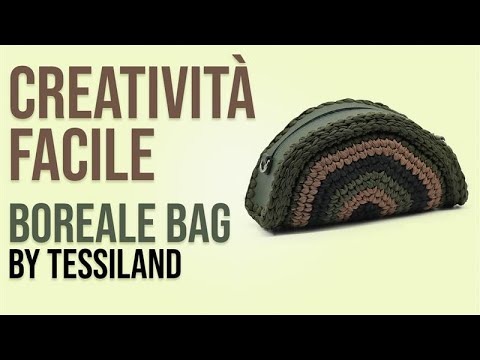
Tutorial: BOREALE crochet bag
from the Tessiland CREA series — step-by-step video on Tessiland Studio (in Italian).
Watch the tutorial →
from the Tessiland CREA series — step-by-step video on Tessiland Studio (in Italian).
Watch the tutorial →
Winter: chic, soft, a little sparkly
When the cold arrives, the perfect bag is structured, elegant, with a glam touch. Choose a chunky yarn: chenille, lurex, faux fur effect. Add a shell and neat details. Deep colours (black, night blue, burgundy, dark gold) or chic ones (beige, powder pink, leather brown). If you feel like shining, do it: at least let your bag do it for you.
The truth? A maker never has just one bag. She has an idea for every season.
Frequently asked questions
Which crochet bags are the easiest to start with?
Pouches and clutches: little yarn, simple shapes, quick results. You will find many easy models in the bags section of the blog and a step-by-step beginner tutorial.
How much yarn should I buy so I don't run out halfway?
Use the indicative weights in this guide for your model. Then fine-tune with the free Tessiland Studio Yarn Calculator. And always buy one extra ball: dye lots change.
Is lining mandatory?
No: it depends on the yarn, the model and the use. If needed, the lining guide covers fabrics, techniques and ready-made linings too.
How much can I sell the finished bag for?
It depends on materials, hours of work and experience: the guide on how to price your handmade items has the criteria and the free price calculator.
And you, which season are you in right now?
Rosaria Tessiland®
.jpg)




Leave a comment