
The 5-point pattern explained round by round, mini stars for the tree and gift wrap, a stiff tree topper, the 5-petal...
0
Carrello della spesa
0 prodotti
Search in blog
Blog categories
Latest posts
5 cozy hobbies to try to switch your brain off
Read more
Read More
Turn off notifications, slow down and let your hands do the work. From timeless classics like crochet and embroidery...
Crochet and Knit Cowl: Patterns, Tutorials and Yarns
Read more
Read More
A warm, soft neck warmer made by you: our makers' tutorials in crochet and on circular needles, sizes for women, men...
Crochet doesn’t hibernate: here’s how we’ll wear it this fall
Read more
Read More
Autumn 2026 crochet trends are all about details, layering and texture. From fringed ponchos and vests to crochet...
Christmas crochet decorations: ideas, patterns and yarns
Read more
Read More
Baubles, stars, wreaths, houses and amigurumi: all the Christmas decorations to crochet, with step-by-step tutorials...
Popular posts

Summer 2026 Crochet Bags: the Trending Models
Mini, medium, maxi or shopper? Discover the crochet bag models trending for summer 2026, with the Tessiland creators'...
Read more
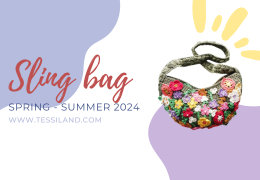
Crochet bags for spring summer 2024. 5 models of handmade sling bags.
Discover the latest trends for Spring/Summer 2024 with our exclusive guide to 5 crochet sling bag models. Perfect for...
Read more
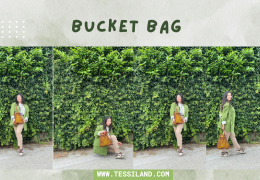
The Crochet Net Bucket Bag: A Trendy Accessory for 2024
Learn how to make a crochet net bucket bag with our simple and detailed tutorial. Use elastic cord, a size 5 crochet...
Read more

Crochet rugs, a passion that is becoming a trend.
In this article, dive into the art of crochet rugs and discover how to create unique and personalized pieces for your...
Read more
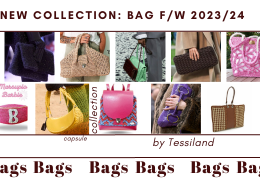
From runways to street style: the trendiest crochet bags.
Are you also passionate about handmade items and want to create your own capsule collection of crochet bags? Here are...
Read more

How do you wash a handmade bag?
But how can they be washed without ruining them?
Here is a new article in which we will talk about the washing techniques for bags made with cords, ribbon yarn, raffia, jute and rat tail cord.
Handmade bags created with yarns, cords, ribbon yarn... require passion and skill to make, but once completed they become a precious and unique element in our wardrobe.
But there is one question that we are often asked by customer support:
''How do you wash handmade bags?''
To answer this question, we would like to remind you that cleaning varies according to the material used to make them, so let’s look at each one in detail.
HOW TO WASH A BAG MADE WITH CORD OR RIBBON YARN.
Cords and ribbon yarns certainly require special care before being washed.
The first thing to understand is whether it is a simple shopper made only with cord/ribbon yarn or whether it has added elements such as a base, shoulder strap, chain, lining, mesh, etc...
Washing a shopper made only with cord or ribbon yarn:
- Use two basins: one with lukewarm water and mild soap, the other with clean water only
- Leave the item to soak for a few minutes
- Transfer it to the basin with only water and remove the soap trapped in the stitches
- Blot the item using a towel
- Place the item on a flat surface to dry, because if it is hung like a normal garment, the water in the fibres would settle in the base and deform the piece
- Make sure not to place the bag in direct sunlight or near heat sources, to prevent the project from fading.
Washing a shopper with base, chain, shoulder strap, lining, etc.
If the bag has elements in addition to the cord/ribbon yarn, we do not recommend direct contact of the outer parts with water.
The first thing to do is understand whether the project allows us to remove the parts and proceed with the advice given above, or whether this is not possible and therefore too much contact with water should be avoided.
In this case, where direct contact with water is not recommended, we suggest:
- Using a small cloth or a dry rag soaked in lukewarm water and ammonia
- Working directly on the stain
- Placing the item on a flat surface to dry, because if it is hung like a normal garment, the water in the fibres would settle in the base and deform the piece
- Making sure not to place the bag in direct sunlight or near heat sources, to prevent the project from fading.
HOW TO WASH A BAG MADE WITH RAFFIA?.png)
Raffia is a natural fibre used for decorative purposes such as:
- making accessories,
- bags,
- baskets,
- jewellery,
- hats,
- ideal for wrapping gifts and party favours.
It is also useful for home decor projects such as:
- mirrors,
- frames,
- organisers.
It is a lightweight yet durable fibre that requires care during washing.
WASHING INSTRUCTIONS:
- Remove surface dirt from the bag with a dry cloth or a soft-bristled brush
- Prepare a solution of lukewarm water and mild soap, avoiding overly harsh detergents or chemical products
- Dip a sponge or soft cloth into the solution and gently rub the bag.
- Make sure not to wet the raffia bag too much, otherwise it may get damaged
- Rinse carefully with soap-free water and dry with a clean, dry cloth.
- Leave the bag to air dry, avoiding direct exposure to sunlight or heat sources.
Valentina helps us learn more about the world of raffia.
Natural Raffia:
Matt Raffia:
HOW TO WASH A BAG MADE WITH JUTE?
Jute is a natural fibre extracted from the bark of plants and is used to produce food sacks, agricultural products, cords, fabrics and, more specifically, bags, rugs, placemats and table runners to give a chic table a country touch.
It is also used for table details for confirmations, communions, baptisms or weddings in a country chic style.
- Jute bag Brown jute Avio jute fabric
WASHING INSTRUCTIONS:
- Prepare a solution of lukewarm water and a gentle detergent, such as Marseille soap
- Dip the bag into the prepared solution and gently rub with a soft brush or sponge to remove any stains
- Rinse the bag with clean water to remove the soap
- Gently blot the bag to remove excess water and leave it to air dry, avoiding direct exposure to sunlight
- Once dry, gently brush the surface to restore volume to the jute fibres.
It is important to avoid machine washing or using hot water, as this could damage the jute fibres and cause the bag to shrink.
HOW TO WASH A BAG MADE WITH RAT TAIL CORD?
Rat tail cord is a thread commonly made of nylon or thin polyester, durable, smooth and shiny.
WASHING INSTRUCTIONS:
- Fill a basin with lukewarm water and mild soap, making sure the soap has dissolved well in the water
- Immerse the bag in the basin for 10-15 minutes, avoiding rubbing the bag, otherwise the thread may be damaged
- After soaking, rinse with cool water until the bag is free from soap
- Gently blot away excess water and place it on a clean towel; always remember to lay it flat on a horizontal surface
- Leave to air dry, avoiding exposure to sunlight or heat sources.
And here are a few interesting facts for you about this fantastic cord:
One last tip.
Washing handmade bags may seem like a challenge, but by following the right techniques and taking care of the materials, it is possible to make them look as good as new again. One last tip is to store your bags in your wardrobe inside fabric dust bags to avoid contact with mites.
Now you are ready for the spring cleaning of the accessories you are about to show off. I hope I have created a useful article for you on how to preserve your handmade accessories.
Rosaria Tessiland®
.jpg)





Leave a comment