
Three ways to make crochet Christmas baubles: the amigurumi sphere with a round-by-round pattern, mesh-covered...
0
Carrello della spesa
0 prodotti
Search in blog
Blog categories
Latest posts
Crochet Christmas Star: Easy Pattern, Mini Stars and Tree Topper
Read more
Read More
The 5-point pattern explained round by round, mini stars for the tree and gift wrap, a stiff tree topper, the 5-petal...
5 cozy hobbies to try to switch your brain off
Read more
Read More
Turn off notifications, slow down and let your hands do the work. From timeless classics like crochet and embroidery...
Crochet and Knit Cowl: Patterns, Tutorials and Yarns
Read more
Read More
A warm, soft neck warmer made by you: our makers' tutorials in crochet and on circular needles, sizes for women, men...
Crochet doesn’t hibernate: here’s how we’ll wear it this fall
Read more
Read More
Autumn 2026 crochet trends are all about details, layering and texture. From fringed ponchos and vests to crochet...
Popular posts

Summer 2026 Crochet Bags: the Trending Models
Mini, medium, maxi or shopper? Discover the crochet bag models trending for summer 2026, with the Tessiland creators'...
Read more
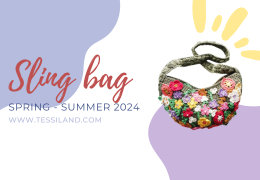
Crochet bags for spring summer 2024. 5 models of handmade sling bags.
Discover the latest trends for Spring/Summer 2024 with our exclusive guide to 5 crochet sling bag models. Perfect for...
Read more
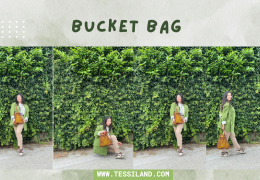
The Crochet Net Bucket Bag: A Trendy Accessory for 2024
Learn how to make a crochet net bucket bag with our simple and detailed tutorial. Use elastic cord, a size 5 crochet...
Read more

Crochet rugs, a passion that is becoming a trend.
In this article, dive into the art of crochet rugs and discover how to create unique and personalized pieces for your...
Read more
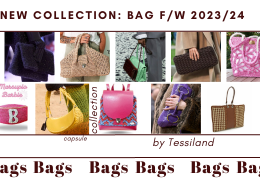
From runways to street style: the trendiest crochet bags.
Are you also passionate about handmade items and want to create your own capsule collection of crochet bags? Here are...
Read more
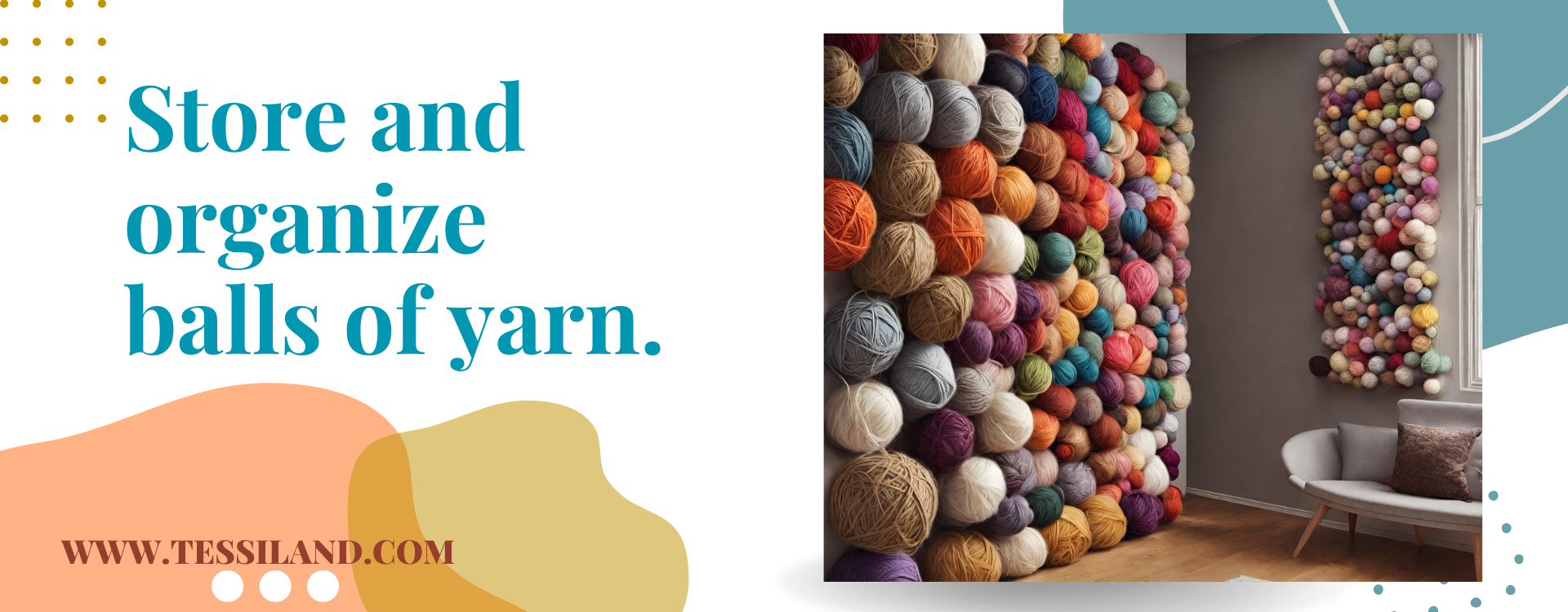
How to store and organize yarn balls.
Yarn Ball Storage and Organization: Effective and Creative Methods
For knitting and crochet enthusiasts, storing and organizing yarn balls is not just a practical matter, but also a way to protect and enhance your precious material. In this article, we will explore the most effective methods for storing yarn balls, protecting them from moths, mold, humidity, and dust, and how to maximize the available space while keeping a tidy and beautiful closet. From simple solutions to more creative ones, we'll discover how plastic bags, ziplock bags, and moth-repellent paper with a lavender scent can become your best allies in taking care of your yarn.
.png)
Context and History:
Yarn storage is a practice as ancient as wool processing itself. Over time, techniques have evolved to combat wool's natural enemies, such as moths and mold, adapting to the space and preservation needs of modern crafters.
Relevant Terms and Technical Description:
- Crochet and Knitting: Crafting techniques that often require different types of wool, each with specific storage needs.
- Moths and Mold: Main enemies of yarn balls, which can be countered with appropriate storage methods.
- Knots: Avoiding the formation of knots in the balls by storing them in an organized way.
- Limited Space: Strategies to maximize the available space without compromising the quality of the wool.
- Simple and Creative Methods: From reusing everyday objects to design solutions, there are many ways to store yarn balls.
- Plastic Bags, Ziplock, Vacuum-Sealed: Solutions to protect wool from humidity, dust, and insects, with options to save space.
- Bulky Wool: Specific techniques for storing thicker and bulkier yarns.
- Protection from Dust and Humidity: Essential to keep the balls in optimal conditions.
- Closet: Organizing the closet in a functional and aesthetically pleasing way.
- Order and Beauty: Final goals in the storage of yarn balls.
- Moth-Repellent Paper with Lavender Scent: A natural solution to protect the balls from moths, adding a pleasant scent.
Practical Guide / How-To:
1. Evaluate Available Space: First, determine how much space you have available for storing your yarn balls.
2. Select the Conservation Method: Choose from plastic bags, ziplock, vacuum-sealed, or other containers based on your specific needs.
3. Use Lavender-Scented Moth Repellent Paper: Place moth repellent sheets among the yarn balls to naturally protect them.
4. Organize by Color or Type: This not only makes it easier to find what you need but also adds a visual element to your storage space.
Frequently Asked Questions (FAQ):
- What are the most effective methods for storing yarn balls?
The most effective methods include using vacuum-sealed bags to save space and protect from dust and moisture, and using lavender-scented moth repellent paper for natural protection against moths.
- How can I protect my yarn balls from moths and mold?
Store the yarn balls in airtight bags and use moth repellent products, such as lavender-scented paper, to prevent infestations.
- What solutions can I adopt for storing yarn balls in limited space?
Vacuum-sealed bags are ideal for saving space, compressing the balls without damaging them, and making the most of limited spaces.
- How can I use plastic bags to store yarn balls?
Plastic bags, especially those with ziplock closures, are perfect for isolating each ball, protecting it from moisture and insects.
- What are the advantages of using vacuum-sealed bags for wool conservation?
They significantly reduce the volume occupied by the wool, protecting it from moisture, dust, and insects, making them ideal for those with limited space.
Our first journey into the world of conserving our precious yarn balls comes to an end.
Storing and organizing yarn balls requires attention and care, but with the right methods, it is possible to keep your material in optimal condition, ready for the next creative project. From using vacuum-sealed bags to lavender-scented moth repellent paper, there are various solutions for every need. We hope these strategies help you protect and value your yarn balls, transforming your storage space into a place of order and beauty.
Posted in:
Tessiland Guides and Services





Leave a comment