Carrello della spesa
0 prodotti
Raffia for making crochet bags, favors and similar creations. Approximate weight 200 grams for 250 metres. Recommended crochet hook 5-6. Please note: due to the natural composition of the material (vegetal cellulose), a possible weight variation of 5-6% should be considered because of moisture absorption or loss.
.png)
First quality products
.png)
Free shipping on orders starting from €19 in ITALY
.png)
You may return the product within 30 days.
QUICK SPECS: Composition: 100% Vegetal Cellulose | Approximate weight: 200g | Approximate length: 250m | Recommended crochet hook: 5-6 | Format: Cone | Weight variation: ±5-6% due to humidity
Tessiland natural raffia is the perfect yarn for anyone looking to create crochet bags, hats and accessories with an authentic and sustainable character. Made from pure vegetal cellulose, this raffia offers a natural country look that is also highly appreciated by major fashion brands. Available in cones of approximately 200g for 250 metres, it represents the best balance between quality and price in the natural raffia category.
The result of Tessiland's research and experience in the world of creative yarns, this natural raffia stands out for its versatility and distinctive character. Unlike synthetic raffia, it offers not only an advantage in terms of sustainability, but also a more authentic look that gives creations an unmistakable shabby chic and natural style. The slightly firm structure of the yarn allows you to work quickly and achieve professional results: from classic summer crochet bags to beach hats, from decorative baskets to handmade favors. The recommended crochet hook size between 5 and 6 ensures comfortable stitching, although it is important to note that raffia, due to its vegetal nature, does not glide like wool or cotton. Each cone includes a practical starter adhesive tape that prevents fraying and marks the starting point of the yarn, making it easier to begin your project. Thanks to the variety of available colours, you can mix shades to create lively and original accessories, perfect for every season, especially summer.
Tessiland natural raffia is a special yarn that combines sustainability, natural aesthetics and practical usability. Let’s take a closer look at the technical and creative features that make this material ideal for high-quality crochet projects.
Tessiland natural raffia is made from 100% vegetal cellulose, a completely natural and sustainable material that clearly sets it apart from synthetic raffia on the market. This composition gives the yarn an authentic and structured appearance, with that slightly rustic texture that is the hallmark of quality vegetal fibres.
An important feature to know concerns the approximate weight of the cones: since this is a natural cellulose-based material, a small weight variation of around 5-6% may occur. This variation is not a defect, but a natural consequence of the absorption or loss of moisture by vegetal fibres, a typical phenomenon of all natural materials not chemically treated.
The structure of the raffia has a slightly firm thickness that allows you to work quickly and achieve well-defined, structured projects. The yarn holds the shape of your stitches, which is essential for accessories such as bags and hats that need a certain firmness to maintain their structure over time.
Each cone includes a practical adhesive tape placed at the beginning of the yarn: this seemingly simple detail has a very useful function, as it prevents the raffia from unwinding messily when removing the outer wrapping from the cone, and clearly indicates the starting point so you can begin your work neatly.
Working with natural raffia requires a slightly different approach compared to traditional yarns such as wool or cotton. For this material, it is recommended to use a crochet hook between size 5 and size 6, sizes that allow you to create a well-structured fabric without making it excessively stiff.
It is important to know that raffia does not have the same glide as conventional yarns: its vegetal structure and slightly rough texture require a bit of familiarity with the material. However, this characteristic does not compromise its usability at all, as it remains comfortable and pleasant to work with, especially thanks to the thickness of the yarn, which allows you to move quickly.
For those trying raffia for the first time, one practical tip can make a real difference: adding a thin cotton thread while working can make the process smoother, helping the crochet hook glide in more easily and reducing friction. This technique is especially useful for beginners who are still developing the necessary hand movements.
The firm thickness of natural raffia offers a major advantage: projects grow quickly and stitches remain clearly visible and defined. This makes raffia ideal not only for experienced makers, but also for those who want satisfying results in a short time.
While working, it is normal to notice small variations in the texture of the yarn: since it is a natural product, these slight irregularities contribute to the handmade and authentic character of the finished creations.
Natural raffia is the ideal material for a wide range of creative crochet projects, with bags undoubtedly being the most popular and widespread application. Crochet raffia bags have also conquered the runways of major fashion brands, which appreciate the natural look and handmade appeal that only an authentic vegetal material can offer.
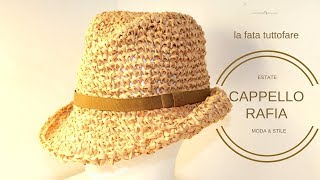
Beyond bags, raffia is also perfect for making summer hats: a classic beach hat in natural raffia, perhaps in a soft natural shade, is a timeless accessory that combines function and style. The structure of the material helps the hat hold its shape over time, ensuring a long-lasting accessory.
Decorative baskets are another very interesting application: perfect for home organisation, as storage pieces or decorative elements in a country or shabby chic style, natural raffia baskets add warmth and natural character to any setting.
Handmade favors are a refined application of raffia: small sachets, candy holders or event decorations can be made with this material to create unique and sustainable keepsakes for weddings, baptisms or other celebrations.
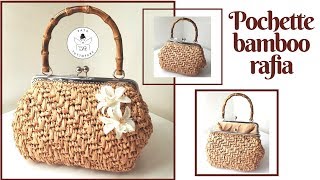
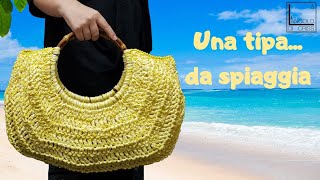
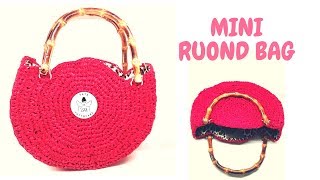
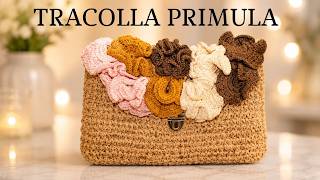
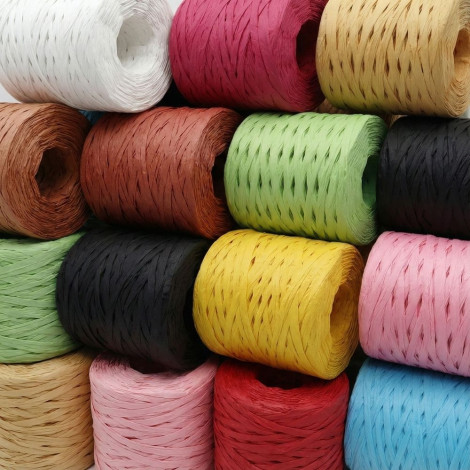
Thanks to the variety of available colours, you can create original colour combinations by mixing different shades for lively and modern bags, especially perfect for summer. For those looking for inspiration, the tutorials linked to the different colour variants offer interesting ideas and detailed projects to follow step by step.
Choosing between natural raffia and synthetic raffia is not just a matter of aesthetic preference, but also involves aspects related to sustainability, the final look of the creations and the perceived quality of the finished product. Understanding these differences helps you make the best choice for every project.
The first major difference obviously concerns environmental sustainability: natural raffia, being derived from vegetal cellulose, is a completely natural and biodegradable material, whereas synthetic raffia is generally made from petroleum derivatives. For anyone who cares about the environmental impact of their creations, this is a fundamental distinction.
The aesthetic appearance also shows significant differences: natural raffia gives creations a very distinctive style that evokes country moods, shabby chic atmospheres and a more authentic aesthetic. It has a slightly irregular texture and a matte look that immediately conveys the idea of craftsmanship and quality. Synthetic raffia, by contrast, tends to have a more uniform and glossy appearance, sometimes less natural.
As for workability, synthetic raffia may be slightly smoother and more uniform, while natural raffia requires a little adaptation in technique. However, Tessiland Natural Raffia represents the product with the best value for money in the natural raffia category, offering excellent usability while maintaining all the characteristics of true vegetal material.
It is no coincidence that major fashion brands prefer natural raffia for accessories and bags with a summery, handcrafted feel: the perceived value of a product made with authentic and sustainable materials is considerably higher.
Tessiland natural raffia is the result of years of research and development dedicated to the world of creative yarns and represents the company’s commitment to providing high-quality products at accessible prices. Not all natural raffias are the same, and the careful selection of raw materials makes a real difference in the final result.
Tessiland developed this raffia in pure cellulose, specifically designed to be worked with a crochet hook and to support higher-level projects: crochet bags, hats, baskets and creative applications that require a reliable and high-performing material. The texture has been calibrated to offer the right balance between natural aesthetics and practical usability.
The value for money is one of its most distinctive strengths: Tessiland is able to offer natural raffia with a quality comparable to much more expensive products, making it accessible for everyone to create with sustainable and authentic materials. This is possible thanks to its sourcing expertise and direct supply chain management.
The available colour variety reflects Tessiland’s attention to creative needs: from natural and neutral shades, perfect for classic-style projects, to brighter and more contemporary colours, ideal for modern and on-trend accessories. Every colour maintains the same quality features of the yarn.
Tessiland customer support with real people (not bots) is an added value: whether you need advice on working techniques, project suggestions or technical information, the team is always available to support makers and enthusiasts in bringing their ideas to life with natural raffia.
Natural raffia, being a material made from pure vegetal cellulose, requires some specific care to keep creations beautiful over time. Here are the practical tips for caring for your raffia projects:
← Scroll to see more videos →
For more tutorials, to replace a yarn, or to calculate the yarn needed for your next creation, try
✨ TESSILAND STUDIOData sheet
How much raffia do I need to make a crochet bag?
The amount of natural raffia needed depends on the size and style of the bag. For a medium-sized bag of approximately 30x25cm, you will generally need 2-3 cones of 200g, while larger or more elaborate bags may require 4-5 cones. The video tutorials linked to the different colour options provide precise guidance on the quantities needed for specific projects. We always recommend considering one extra cone for possible project adjustments.
Is natural raffia difficult to work with for beginners?
Natural raffia works differently from wool or cotton, as it glides less smoothly due to its vegetal structure. However, it is not especially difficult: it simply requires a little adjustment in technique. For beginners, one useful tip is to add a thin cotton thread while working to make the process smoother. The firm thickness of the yarn helps projects grow quickly, offering satisfying results even for those just starting out.
Why can the cone weight vary slightly?
The approximate weight of around 200g may show a 5-6% variation because natural raffia is made from pure vegetal cellulose, a completely natural material that reacts to environmental humidity. This variation is not a defect but a typical characteristic of all natural fibres that are not chemically treated: the material may absorb or lose moisture depending on surrounding conditions. This natural behaviour does not affect the quality or workability of the yarn.
What is the difference between natural and synthetic raffia for bags?
The main difference concerns sustainability and appearance. Tessiland natural raffia, made from pure vegetal cellulose, is fully biodegradable and offers an authentic look with a country feel and natural texture. Synthetic raffia, derived from petroleum, generally has a shinier and more uniform appearance. Major fashion brands prefer natural raffia for bags and accessories precisely because of its higher aesthetic value and handmade appeal. Tessiland natural raffia offers the best value for money while maintaining all the characteristics of genuine vegetal material.
What is the adhesive tape on the raffia cone used for?
The adhesive tape placed at the beginning of the yarn has a very practical double function: it prevents the raffia from unwinding messily when the outer wrapping is removed from the cone, and it clearly marks the starting point of the yarn. This small detail makes it much easier to begin working, helping you start the project more neatly and ensuring the yarn unwinds correctly from inside the cone without tangling.
Can natural raffia be washed after making a bag?
Natural raffia should not be washed in water because the vegetal material may deform, lose its structure and alter its characteristic texture. For cleaning raffia creations, a gentle dry clean is recommended: use a soft dry cloth or a delicate brush to remove dust. In case of small stains, dab only the affected area with a slightly damp cloth, avoiding soaking the material, then let it dry completely in the air.
What projects can I make besides bags?
Natural raffia is extremely versatile. In addition to crochet bags, you can create summer hats perfect for the beach, decorative baskets for home organisation, country or shabby chic storage pieces, handmade favors such as sachets and candy baskets for weddings and baptisms, coasters, table runners, home decorations and various accessories. The video tutorials linked to the different colour variants offer ideas and detailed projects to inspire your creativity.
Can I mix different raffia colours in the same project?
Absolutely yes! Thanks to the variety of available colours, you can create original and personalised colour combinations. Mixing different shades of natural raffia is a great technique for making bright and modern bags, especially perfect for the summer season. You can alternate colours in stripes, create geometric patterns, or use different shades for the body of the bag and the handles. This technique allows you to achieve unique and trendy accessories.
How can I make raffia easier to work with?
For those who are new to crochet or find raffia less smooth than traditional yarns, a very effective trick is to add a thin cotton thread while working. This reduces friction, makes it easier to insert the crochet hook, and creates a smoother motion. With practice, you will develop the necessary hand skill and be able to work natural raffia without this support. Remember that the firm thickness of raffia makes up for this with faster project progress.
Is natural raffia suitable for hats that keep their shape?
Yes, natural raffia is ideal for hats. Its slightly firm structure gives hats the rigidity needed to hold their shape over time, which is essential for this kind of accessory. Classic summer beach hats made from natural raffia are a perfect example: they keep their structure even with use, protect from the sun, and add a natural handcrafted touch to summer outfits. Soft, natural shades are particularly appreciated for this kind of creation.
Why do major brands prefer natural raffia?
Major fashion brands choose natural raffia for several reasons: first of all, for its authentic aesthetic appearance that only a genuine vegetal material can offer, with that natural texture and handcrafted effect impossible to replicate with synthetic materials. Secondly, for its environmental sustainability, which is increasingly important in the contemporary fashion market. Finally, for its perceived value: an accessory made with natural raffia communicates quality, attention to detail and respect for the environment, values highly appreciated by conscious consumers.
How should I store raffia cones that I have not used yet?
Unused natural raffia cones should be stored in dry and ventilated places, away from sources of humidity. You can keep them in their original packaging or store them in paper bags (avoid plastic, which may retain moisture). Since raffia is sensitive to environmental humidity due to its vegetal nature, proper storage preserves the characteristics of the yarn until you are ready to use it, ensuring optimal workability when you decide to start your project.