Carrello della spesa
0 prodotti
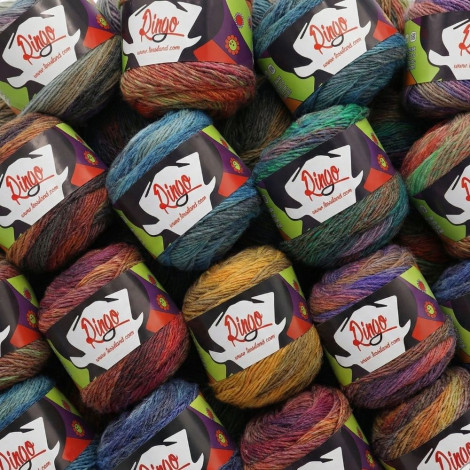
Artichoke-shaped yarn cake in 50% wool and 50% top quality acrylic with gradient shades. Weight 100g for 270 metres. Recommended needles 4-5 or crochet hook 3.5-4.5. Top-dyed for unique colour effects.
.png)
First quality products
.png)
Free shipping on orders starting from €19 in ITALY
.png)
You may return the product within 30 days.
QUICK SPECS: Composition: 50% Wool, 50% Acrylic | Weight: 100g | Length: 270m | Recommended needles: 4-5 | Recommended crochet hook: 3.5-4.5 | Format: Artichoke | Dyeing: Top-dyed | Origin: Made in Italy
Ringo wool blend gradient yarn is one of the most appreciated new arrivals in the world of Italian yarns: a yarn cake with a distinctive artichoke shape that showcases refined gradient shades. With its 50% wool and 50% top quality acrylic, Ringo offers 270 metres of soft, comfortable yarn in just 100 grams, perfect for anyone looking for a versatile product with exceptional value for money. Available on Tessiland with full transparency about the dye lot number currently on sale.
Tessiland is among the first e-commerce stores in Europe to offer this innovative format, 100% Made in Italy, with original shades designed to follow the season’s colour trends. The artichoke shape highlights the colour transitions that make each yarn cake special, turning every creation into something unique without the need for complex colour matching. Thanks to its top-dyed process, the yarn features natural variations throughout its length, adding movement and depth even to the simplest stitches. Ideal for stoles, accessories and garments such as cardigans, sweaters and vests, Ringo makes it easy to create sophisticated projects with maximum simplicity. The Tessiland support team is always available to help you choose the most suitable dye lot for your project and advise you on the best crafting techniques.
Explore some of the most popular yarns on Tessiland:
The technical analysis of Ringo wool blend gradient yarn reveals the features that make it a versatile and appreciated yarn for both knitting and crochet. The unique blend of natural and synthetic fibres, combined with the top-dyed process, creates a product that brings together high technical performance and refined aesthetics.
Ringo features a well-balanced composition of 50% wool and 50% top quality acrylic, designed to maximise the benefits of both fibres. Wool provides natural thermoregulation, breathability and unmistakable softness, while acrylic contributes durability, easy care and dimensional stability in the finished garment.
The raw materials are selected under strict quality controls to ensure a high standard of quality. The acrylic used belongs to the top quality category, with finer and more even fibres than standard acrylics, giving the yarn a silky hand feel and reducing the electrostatic effect typical of cheaper synthetic fibres.
The variable fibre length is not a flaw but an intrinsic feature of the production process, contributing to the unique visual effect of the finished work. This characteristic creates a fabric with interesting texture and natural movement, especially appreciated in creations that need visual depth without complex stitch patterns.
The top-dyed process is a technical feature that sets Ringo apart from traditional yarns. This method dyes the fibres before spinning, while they are still arranged in tops, rather than dyeing the already spun yarn. The result is a non-uniform colour distribution throughout the yarn cake, with natural shaded transitions that create its signature degradé effect.
Ringo’s colour shades are carefully developed by Tessiland to follow seasonal trends, offering updated palettes that range from neutral and natural tones to bolder, more contemporary combinations. Each yarn cake displays variations in intensity and saturation that develop harmoniously as you work.
This colouring technique offers a significant creative advantage: it allows you to achieve sophisticated colour effects using basic stitches such as stockinette, garter stitch or single crochet. There is no need to master complex colourwork or intarsia techniques to create garments with a polished, professional look.
The artichoke format represents an innovation in the packaging of gradient yarns. Unlike traditional cylindrical yarn balls or skeins, the artichoke shape makes the colour shades immediately visible, making selection and pairing easier even before you begin working.
With 270 metres per 100 grams, Ringo offers excellent yield and falls into the medium-light yarn category. This metres-to-grams ratio guarantees:
The generous yardage helps maximise colour continuity throughout the project, reducing the number of joins required and preserving the colour harmony of the degradé effect.
Ringo adapts perfectly to both knitting needles (4-5 mm) and crochet hooks (3.5-4.5 mm), delivering excellent results with both techniques. The choice of tool and size significantly influences the final appearance and fabric properties.
Knitting:
Crochet:
Ringo wool blend gradient yarn stands out for its remarkable versatility, making it suitable for a wide range of projects, from garments to accessories. The combination of shaded colour effects and balanced composition opens up different creative possibilities for every skill level.
Garments:
Accessories:
Ringo’s distinctive feature is its ability to create visual movement with simple stitches, making it ideal for anyone who wants professional-looking results without mastering advanced colourwork techniques.
Caring for Ringo wool blend gradient yarn requires specific attention to preserve softness, colour shades and garment structure over time. Following the correct care instructions ensures lasting beauty and durability for your projects.
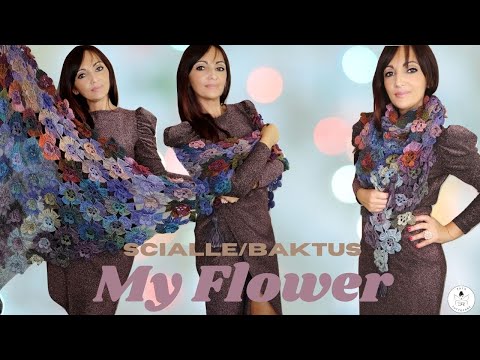
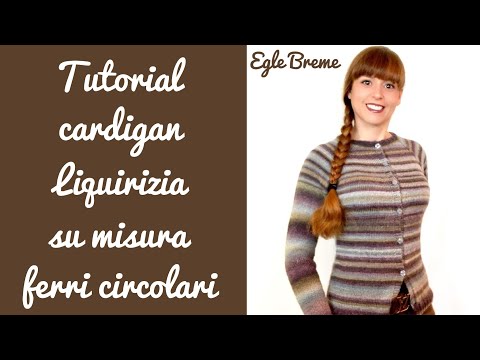
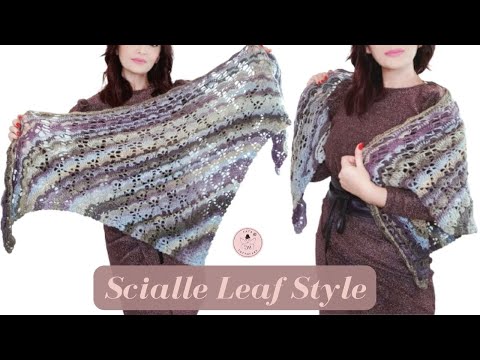
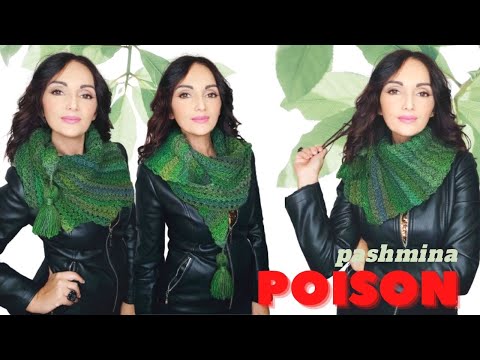
← Scroll to watch more tutorials →
For more tutorials, to replace a yarn, or to calculate the yarn needed for your next creation, try
✨ Open Tessiland StudioHow many Ringo yarn cakes do I need to make a women’s size M cardigan?
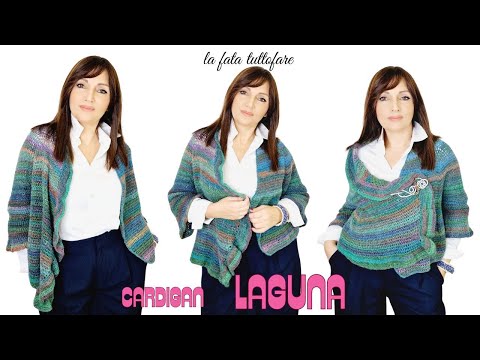
For a women’s size M cardigan (with long sleeves and medium length to the hips), you will need on average 6-7 Ringo yarn cakes of 100g, for a total of about 1620-1890 metres of yarn. The exact quantity depends on the chosen pattern, sleeve length and stitch used. For projects with three-quarter sleeves or sleeveless garments (vests), the quantity drops to 4-5 yarn cakes. We recommend checking the video tutorials available on the product page for project-specific estimates and always purchasing one extra yarn cake as a safety reserve, making sure it comes from the same dye lot listed on Tessiland.
How does Ringo behave when washed? Will the shades fade?
Ringo keeps its shades beautifully over time when treated correctly. The top-dyed process ensures good colour fastness, higher than yarns dyed after spinning. During the first 2-3 washes, a slight release of colour is normal, especially in deeper shades: wash separately or with similar colours. After the initial washes, the shades stabilise and the garment can be washed regularly following the care instructions (water maximum 30°C, delicate cycles). Avoid prolonged exposure to direct sunlight while drying in order to preserve colour intensity.
Does the artichoke shape make the yarn difficult to use? How does it unwind?
The artichoke shape is designed to make crafting easier, not harder. The yarn unwinds from the inside of the yarn cake, exactly like a traditional yarn ball, by gently pulling the end that comes from the centre. There is no need to rewind it into a skein. While working, keep the yarn cake in a bowl or container to stop it from rolling around, just as you would with any other yarn cake. The artichoke shape also has the advantage of visually showing the shades you are about to work with, helping you predict colour transitions in your project.
What is the difference between Ringo and other gradient yarns available on Tessiland?
Ringo stands out for its combination of format, composition and dyeing technique. Unlike traditional gradient yarns in skeins, the artichoke shape makes the shades immediately visible. Its 50% wool and 50% top quality acrylic composition places it in an accessible price range while maintaining high quality, unlike more expensive 100% wool yarns or cheaper 100% acrylic yarns with lower performance. The top-dyed process creates more natural and less abrupt transitions than yarns with colour changes at regular intervals. The 270m/100g ratio makes it more versatile than heavier yarns, suitable for both lightweight accessories and structured garments.
Is Ringo suitable for children’s projects?
Yes, Ringo is perfect for children’s garments. The wool content provides thermoregulation and breathability, while the acrylic adds durability for the frequent washing that children’s clothes require. The softness of the yarn makes it comfortable even against sensitive skin. The degradé shades add an original touch to sweaters, cardigans and blankets without requiring complex techniques. Important: choose delicate shades and always check that the child does not have any specific wool allergies. After finishing the piece, do a first hand wash before use to remove any possible production residue.
How can I combine multiple Ringo yarn cakes in the same project while keeping colour harmony?
For larger projects requiring several yarn cakes, always buy yarn cakes from the same dye lot: Tessiland clearly indicates the available dye lot number on the product page. If you need to combine different lots or different colours from the Ringo range, choose shades that share at least one common tone to create visual continuity. An effective technique is to alternate yarn cakes every 2 rows/rounds to gradually blend the different shades. For panel-based projects (such as patchwork blankets), you can deliberately use different colours to create harmonious contrasts. If in doubt, contact Tessiland customer service for personalised advice on colour matching.
What does it mean that variation in fibre length is a feature and not a defect?
In the production of Ringo, the fibres used have intentionally varied lengths, rather than being uniform like standard industrial yarns. This characteristic comes from the top-dyed process and the manufacturing method aimed at creating a particular visual effect. While working, you may notice that some sections of the yarn look slightly fuzzier or that the twist varies a little: this is normal and contributes to the final texture of the fabric, adding depth and movement. It is not a production defect but a deliberate feature that makes every yarn cake and every creation unique. This controlled irregularity is appreciated precisely for the handmade, artisanal effect it gives to the finished garment.
Is Ringo suitable for openwork or lace crochet?
Ringo can be used for simple openwork projects, but it is not the ideal yarn for elaborate lace or highly detailed crochet work. Its gradient nature and blended composition perform best with stitches that create continuous surfaces where the colour transitions can fully stand out: stockinette, garter stitch, single crochet and half double crochet. For simple openwork such as shawls with basic geometric motifs or summer tops with regular eyelets, the result is still very appealing. If your goal is to make intricate crochet doilies or traditional lacework, we recommend choosing finer cotton or linen yarns, which are better suited to highlighting complex stitch details.
Should I make a swatch before starting a project with Ringo?
Yes, making a swatch is always recommended, even with Ringo. Work a square of at least 10x10 cm using the needles or crochet hook you plan to use, with the same stitch pattern as your final project. Wash and dry the swatch following the care instructions, then measure how many stitches and rows/rounds you get in 10 cm. This allows you to: accurately calculate the number of yarn cakes needed, check whether your tension matches the pattern, evaluate how the shades look with the chosen stitch, and assess drape and fabric texture. Keep the swatch as a reference for any adjustments during the project and as a reminder for future makes.
How do I manage joins between yarn cakes to keep the colour flow looking continuous?
To minimise the visual impact of joins in a project made with Ringo, follow these strategies: start the new yarn cake at a seam point (side seam, underarm) where the join will be less visible. If possible, try to match similar tones between the end of one yarn cake and the beginning of the next, although the nature of the top-dyed process generally creates harmonious transitions. Use a weaver’s knot or felt-free join technique to connect the ends without creating too much bulk. For seamless circular projects, plan joins in strategic spots such as the centre back. Avoid breaking the yarn in the middle of a highly visible front section. Thanks to its generous length (270m per yarn cake), the number of joins required is limited in most projects.
Is Ringo prone to pilling with use?
Like all yarns containing natural fibres, Ringo may show a slight amount of pilling at first, especially in areas subject to more friction such as under the arms, on the sides or at the cuffs. This is more noticeable during early wear and usually settles after the first few washes. The top quality acrylic content helps significantly reduce pilling compared to 100% wool yarns. To minimise it: avoid excessive rubbing against rough surfaces (backpacks, shoulder bags with harsh textures), gently remove pills with a fabric shaver or your fingers without pulling hard, and wash garments inside out to reduce friction in the washing machine. With proper care, pilling remains a minor issue and does not compromise the garment’s look or durability.
Can I use Ringo for summer projects, or is it too warm?
Ringo is a mid-season yarn that can also work well for lightweight summer projects if used with the right approach. For summer use: choose larger needles or hooks (5mm needles, 4.5mm crochet hook) to create a more open and breathable fabric, favour openwork stitches that allow air to circulate, make sleeveless garments such as tops, tanks or vests that leave the arms uncovered, and create lightweight stoles or shawls for cool evenings or air-conditioned environments. Even though the wool content is only 50%, it still offers natural thermoregulation that helps maintain a comfortable body temperature. For projects intended for peak summer or very hot climates, consider 100% cotton or linen yarns available on Tessiland.