Carrello della spesa
0 prodotti
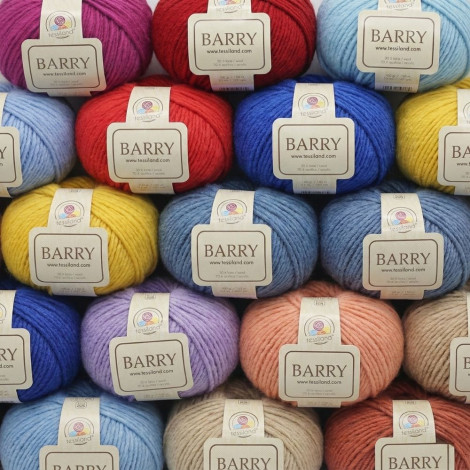
Barry wool blend blown yarn ball of 100 grams with a composition of 30% wool and 70% acrylic for a length of 150 metres. Recommended needles 6-8 or crochet hook 5-7 for soft, voluminous projects.
.png)
First quality products
.png)
Free shipping on orders starting from €19 in ITALY
.png)
You may return the product within 30 days.
QUICK SPECS: Composition: 30% Wool, 70% Acrylic | Weight: 100g | Length: 150m | Recommended needles: 6-8 | Recommended crochet hook: 5-7 | Structure: Steam-treated blown yarn
The Barry wool blend blown yarn is a versatile, cosy yarn, perfect for anyone looking for volume, warmth and softness in a single ball. With a composition of 30% wool and 70% acrylic, this 100 gram yarn offers 150 metres in length and is ideal for quick, comfortable projects. Available on Tessiland with transparent colour lot information shown directly on the product page.
Thanks to its blown yarn structure and double steam treatment at 70°C, Barry delivers a full yet lightweight feel, ideal for sweaters, scarves, hats and blankets. Working with needles 6-8 or crochet hook 5-7 allows you to create soft, cosy stitches, perfect for the colder months. The particular yarn structure may create slight visual differences in thickness from one colour to another, a typical feature of steam-treated blown yarns that tends to even out after the first wash.
Lots of different options in style and thickness
Barry is not just a simple wool blend yarn: its performance depends on the blown yarn structure, the heat treatment and the working technique. Understanding these features helps you make the most of its qualities and achieve professional, long-lasting results.
Barry features a very light twist, with loosely compacted fibres that provide natural volume, softness to the touch and excellent thermal insulation. This structure makes the yarn especially suitable for winter garments that require warmth without feeling heavy.
However, the reduced twist requires greater care while working: if the yarn is stressed against its natural twist direction, it may tend to fray slightly. For this reason, it is recommended to work with even tension and avoid pulling or rough handling.
The final visual effect is one of soft, rounded stitches, with a warm, enveloping surface, ideal for:
One of Barry’s distinctive features is the double steam cycle at around 70°C applied during production. This heat process relaxes the fibres, makes them loftier and stabilises the yarn structure, significantly improving its quality.
The practical benefits of this treatment include:
This treatment explains Barry’s excellent value for money compared with other blown yarns on the market.
The hand feel of Barry is full without being heavy, thanks to the balance between the natural component (30% wool) and the synthetic one (70% acrylic). It feels soft and slightly elastic to the touch, with an immediate sense of warmth.
While working, the stitches take on a soft, slightly rounded shape, with a warm and cosy visual effect. This makes Barry especially suitable for:
By contrast, it is less suitable for very defined lacework or complex stitches that require pinpoint precision, because the blown yarn structure tends to soften finer details.
The best result is achieved with a medium working tension, avoiding both pulling the yarn too tightly (which would reduce its volume) and working too loosely (risking unevenness).
Barry may show a 3-5% weight variation linked to the natural settling of the ball after steam treatment. This variation does not affect the yarn quality or the stated yardage (150 metres per 100 grams), but is a natural feature of this type of production.
It is also possible to notice visual differences in thickness from one colour to another. This variation does not depend on an actual difference in count or yardage, but on the different ability of dye baths to retain moisture during the dyeing and steaming process.
What this means in practice:
Tessiland is the only e-commerce store to show the batch/lot number directly on the product page, ensuring total transparency and allowing customers to buy balls from the same dye lot for projects that require perfect colour consistency.
To make the most of Barry’s features and achieve professional-looking results, it helps to follow a few technical guidelines while working:
If you have any doubts about the dye lot or the quantity needed, Tessiland customer service with real people is available for personalised support.
Barry’s blown yarn structure and natural wool content require gentle care to preserve shape, softness and hand feel over time. Following these instructions helps ensure long-lasting garments and preserves the yarn’s original characteristics.
← Scroll to see more tutorials →
For more tutorials, to substitute a yarn, or to calculate the amount needed for your next creation,
✨ Open Tessiland StudioHow many Barry balls are needed to make a women’s size M sweater?
For a women’s size M sweater worked in stockinette stitch, you will need on average 5-6 balls of 100g, for a total of around 750-900 metres. The exact quantity depends on the style (crew neck, V-neck, long or short sleeves), your personal gauge and the desired fit (fitted or oversized). It is always recommended to make a 10x10 cm swatch and check the instructions for the specific pattern. For important projects, consider buying one extra ball from the same dye lot.
Is Barry suitable for projects intended for children?
Yes, Barry is suitable for garments intended for children aged 3 and above, thanks to its softness and blended composition, which reduces the risk of irritation compared to pure wool. However, for babies and children with particularly sensitive skin, it is recommended to test skin tolerance first or choose yarns with specific certifications for early childhood. The acrylic content (70%) makes the yarn easier to wash and maintain compared with 100% natural yarns.
Why do some Barry colours look thicker than others?
The visual differences in thickness between different colours are a typical feature of steam-treated blown yarns and depend on the different ability of dye baths to retain moisture during the dyeing process. This is not an actual variation in count or yardage (which remain constant at 150m per 100g), but a visual effect that tends to even out after the finished item is first washed. Working with consistent tension further reduces any perceived differences.
Can I machine wash garments made with Barry?
Machine washing is not recommended if you want to preserve the blown yarn structure and the softness of the yarn. The wool content (30%) and reduced twist make Barry sensitive to mechanical action and temperature changes. Hand washing at 30°C with a neutral detergent helps ensure the garment lasts and keeps its original characteristics intact. If machine washing is absolutely necessary, select the cold wool/delicates cycle, without spinning, and use a protective mesh bag.
Does Barry pill after the first few uses?
Like many yarns with acrylic content and a blown yarn structure, Barry may show slight initial pilling in areas subject to more friction (underarms, inside sleeves, areas in contact with bags). This tends to settle after the first few washes. To minimise it: wash the garment inside out, avoid excessive rubbing during wear, and gently remove pills with a suitable fabric shaver or a soft brush. Barry’s quality steam treatment significantly limits this phenomenon compared with other untreated blown yarns.
Can I use Barry to make accessories such as bags or pouches?
Barry is less suitable for rigid accessories that require structural support, such as roomy bags or containers. Its soft nature and light twist make it more suitable for garments and accessories that highlight volume and drape: scarves, shawls, hats, cowls and decorative blankets. For bags and pouches, yarns with a firmer twist are recommended, or you can use inner linings and structural reinforcements.
How can I be sure I am buying balls from the same dye lot?
Tessiland is the only e-commerce store to show the colour batch/lot number directly on the product page, ensuring total transparency. Before completing your purchase, check that all the balls belong to the same lot. If the displayed lot is sold out, the customer service team with real people can check the availability of alternative lots and help you choose the best option for your project.
What types of stitches best enhance Barry’s characteristics?
Barry performs at its best with simple, classic stitches that highlight volume and softness: stockinette, 2/2 or 1/1 rib, garter stitch, moss stitch and seed stitch. These stitches create even, cosy surfaces that are ideal for sweaters, scarves and blankets. Very intricate lacework or complex cables tend to appear less defined because the blown yarn structure softens finer details. For lace, it is better to choose patterns with wide, well-spaced stitches.
Can Barry be dyed at home to customise the colours?
Home dyeing Barry is not recommended for several reasons: the blended composition (30% wool, 70% acrylic) requires different dyes for different fibres; the steam treatment applied during production could be compromised; and the risk of uneven results is high. If you want custom colours or particular shades, check the full Barry colour palette on Tessiland or consider yarns already dyed in your preferred tones.
How soon after finishing is it recommended to wash the completed garment?
It is recommended to carry out the first wash of the finished garment before actual use, in order to fully stabilise the structure, even out any slight visual differences between colours and remove working residues. This first wash also helps set the stitches and give the garment its final shape. Always follow the care instructions: hand wash at 30°C, dry flat, with no twisting and no direct heat sources.
Does Barry retain warmth even in damp conditions?
Thanks to its wool content (30%) and voluminous blown yarn structure, Barry offers good thermal insulation even in moderately damp conditions. Wool naturally helps retain body heat even when slightly damp, while the acrylic content (70%) ensures quicker drying compared with 100% natural yarns. For use in very damp or rainy environments, keep in mind that no yarn can fully replace technical waterproof clothing.
Is it possible to work Barry with mixed techniques (needles and crochet in the same project)?
Yes, Barry works well with mixed techniques. Its versatile structure makes it possible to combine sections worked with needles (for example, the body of a sweater) with borders, finishes or appliqués made with crochet. Use needles 6-8 for knitting and crochet hook 5-7 to keep gauge and visual consistency aligned. Mixed techniques enhance creativity and allow you to make the most of the strengths of both crafts in the same garment.