Carrello della spesa
0 prodotti
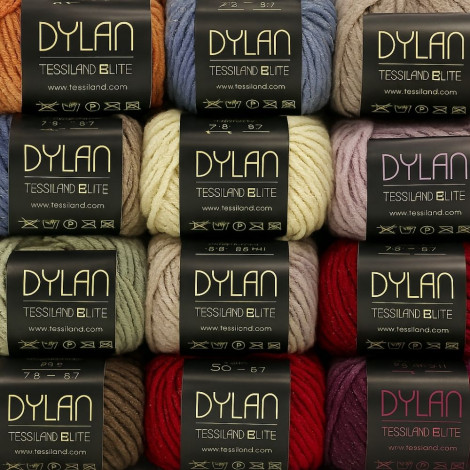
Soft chenille made of 75% cotton, 5% wool, 13% acrylic, 2% polyamide and 5% lurex, with a weight of 50 grams for 60 metres. Recommended needles 7-8 or crochet hook 6-7 for elegant and luminous projects.
.png)
First quality products
.png)
Free shipping on orders starting from €19 in ITALY
.png)
You may return the product within 30 days.
QUICK SPECS: Composition: 75% Cotton, 5% Wool, 13% Acrylic, 2% Polyamide, 5% Lurex | Structure: Chenille | Weight: 50g | Length: 60m | Recommended needles: 7-8 | Recommended crochet hook: 6-7
The Dylan Yarn by Tessiland Elite is a refined chenille that combines the softness of cotton with the subtle sparkle of lurex. With its unique composition and plush texture, this yarn is the ideal choice for anyone looking to create elegant, on-trend pieces, from garments to exclusive accessories.
This 50-gram, 60-metre yarn ball blends 75% cotton with wool, acrylic, polyamide and a touch of 5% lurex that gives your projects a delicate shine. Its chenille structure offers a pleasant crafting experience with 7-8 mm needles or a 6-7 mm crochet hook, making it perfect for elegant sweaters, refined cardigans and exclusive bags. Dylan Yarn stands out for its versatility: you can use smaller crochet hooks to create accessories with a compact, well-defined structure, ideal for sturdy bags that combine style and function. The softness of chenille and the luminous charm of lurex make every creation unique and sophisticated.
Discover the quality of Tessiland Chenille, not just for Amigurumi!
Dylan Yarn in chenille cotton and lurex blend is a refined choice for anyone seeking exclusive materials. This in-depth technical analysis will guide you through the unique features of this yarn, from its innovative composition to the best techniques for enhancing its softness and shine.
The Dylan Yarn features a carefully balanced composition designed to combine softness, warmth and a touch of luminous elegance. The 75% cotton base ensures breathability and comfort, while the 5% wool adds natural warmth. The 13% acrylic and 2% polyamide provide strength and durability, making this yarn suitable even for projects that need extra resilience.
The real standout feature is the 5% lurex, which adds a discreet shimmer without being overpowering. This metallic fibre blends perfectly into the chenille structure, creating luminous reflections that enhance every stitch. The soft, compact chenille texture makes the yarn especially pleasant to the touch, ideal for garments worn directly against the skin.
With 60 metres per 50-gram yarn ball, the weight-to-length ratio is typical of chenille yarns, which naturally have a denser structure than traditional yarns. This is an important detail to consider when planning your projects, ensuring you buy enough for the size you want to make.
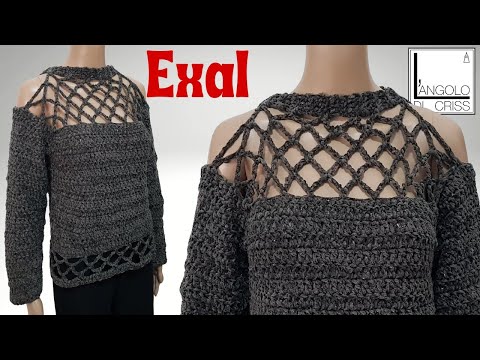
Dylan Yarn is wonderfully suited to making elegant garments thanks to its softness and the shine of lurex. With 7-8 mm needles, you can create sweaters and cardigans with a soft, enveloping texture, perfect for transitional seasons.
For elegant sweaters, consider simple stitches such as stockinette stitch or garter stitch, which enhance the natural beauty of chenille without weighing the fabric down. The yarn structure provides good coverage, creating a soft and comfortable drape. For refined cardigans, you can experiment with delicate openwork stitches that let the lurex shimmer through, creating a sophisticated effect.
When working with knitting needles, maintain an even tension to avoid opening up or distorting the chenille. The yarn structure tends to mask small imperfections, so the finished result will still look attractive even for less experienced makers. Keep in mind that chenille with lurex may feel slightly more slippery than traditional chenille, so take care when decreasing and increasing.
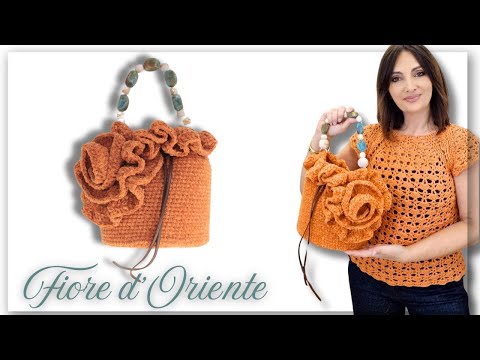
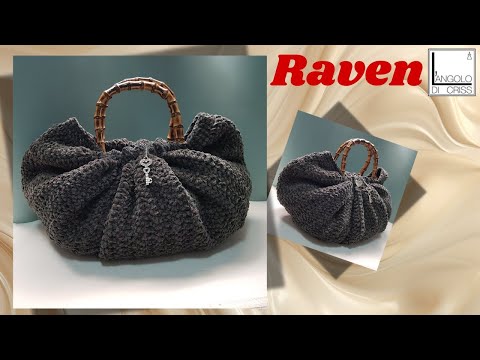
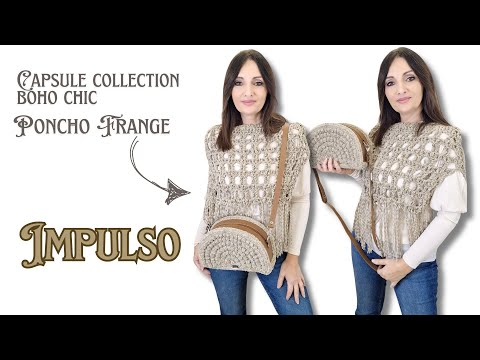
Dylan Yarn is especially appreciated for making crocheted bags, where the combination of softness and shine creates truly exclusive accessories. For the best results, it is advisable to use a smaller crochet hook than the recommended 6-7 mm, going down to 4-5 mm for a more compact and defined structure.
This technique allows you to create sturdy bags that hold their shape over time, preventing the fabric from stretching or losing form with use. Stitches such as single crochet, slip stitch or granite stitch are ideal for accessories that need more structure. The chenille texture gives a sophisticated look, while the lurex adds light-catching details.
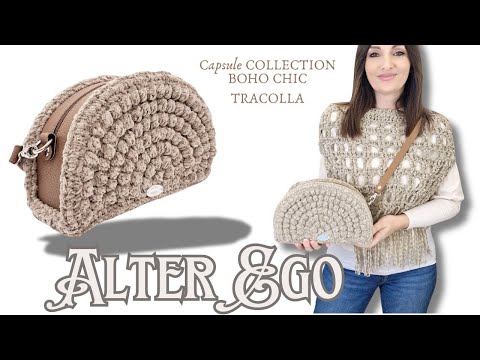
For on-trend accessories such as clutches, pouches or small crossbody bags, experiment with geometric shapes and colour play if you are using multiple shades of the same yarn. Crochet also makes it easy to add inner linings for greater practicality, turning your creations into accessories that are both beautiful and functional.
With 60 metres per 50-gram yarn ball, Dylan Yarn requires careful planning of the quantities needed for your projects. The typical yield of chenille means that an average-size adult sweater may require between 10 and 14 yarn balls, depending on the pattern and desired fit. For medium-sized bags, consider 3-5 yarn balls for a compact structure.
Tessiland is the only e-commerce store that clearly shows the available dye lot number directly on the product page. This transparency allows you to buy yarn balls from the same lot, ensuring perfect colour consistency throughout your project. The presence of lurex makes this even more important: even slight differences between batches may be more noticeable because of the metallic reflections.
If the dye lot available is not enough for your project, the Tessiland customer support team, made up of real and knowledgeable people, is always ready to help you find a solution, check future availability or suggest suitable alternatives. This attention to detail makes Tessiland a reliable partner for your creative projects.
The Dylan Yarn from the Elite line offers an excellent balance between material quality and affordability. Its blended composition with a high cotton content, enriched with wool and lurex, delivers better performance than fully synthetic chenille yarns, ensuring comfort, warmth and a touch of luminous elegance.
The softness of chenille lasts over time thanks to the quality of the fibres used, while the presence of acrylic and polyamide adds wear resistance and makes care easier. The lurex is firmly integrated into the yarn structure, reducing the risk of shedding or loss of shine even after repeated washing.
The value for money of Dylan Yarn makes it accessible both for ambitious projects and for those who want to experiment with premium-looking materials without overspending. The yield of 60 metres per 50 grams, while requiring an adequate quantity, ensures creations with a full texture and soft drape, two hallmark features of quality chenille. Tessiland offers you a refined product at a competitive price, helping you bring exclusive projects to life with materials that enhance your creativity.
To preserve the beauty and unique qualities of Dylan Yarn over time, follow these simple care tips to keep your garments and accessories soft, durable and beautiful:
← Scroll to see more videos →
For more tutorials, to replace a yarn, or to calculate the amount needed for your next creation, try
✨ Open Tessiland StudioHow many Dylan yarn balls are needed to make an adult sweater?
For an average-size adult sweater made with Dylan Yarn, you will typically need 10-14 yarn balls of 50 grams, depending on the chosen pattern, fit (slim or oversized) and sleeve length. Larger sizes or oversized designs may require up to 16-18 yarn balls. We always recommend checking the pattern you plan to make for an accurate estimate of the yarn needed. Remember that Tessiland shows the available dye lot number on the product page, allowing you to buy all your yarn balls from the same lot for perfect colour consistency.
Is Dylan Yarn suitable for children's projects?
Yes, Dylan Yarn is suitable for children's projects thanks to its 75% cotton content, which ensures breathability and comfort. The soft chenille feels pleasant to the touch, while the lurex adds a touch of elegance to dresses, cardigans and accessories for special occasions. For babies and very young children, it is best to consider individual sensitivity to blended fibres and choose items that are not likely to be put in the mouth, as lurex may be less suitable for this age group. For sweaters and accessories for children aged 3 and up, Dylan is an excellent choice for refined creations.
Can I machine wash garments made with Dylan Yarn?
Hand washing is strongly recommended to preserve the softness of the chenille and the shine of the lurex over time. If absolutely necessary, you can use a delicate machine cycle at 30°C by placing the garment inside a pillowcase or laundry bag, with no spin or a very low spin and a mild detergent. However, keep in mind that frequent machine washing may gradually alter the characteristic chenille texture or reduce the shine of the lurex. For accessories such as bags, spot cleaning by hand with a damp cloth is usually sufficient and preferable.
How can I achieve a more compact structure for sturdy bags?
To create sturdy bags with a compact structure using Dylan Yarn, reduce the crochet hook size from the recommended 6-7 mm down to 4-5 mm or even 3.5 mm. This technique creates a denser fabric that holds its shape over time and helps prevent distortion. Use dense stitches such as single crochet, slip stitch or granite stitch, which offer greater structure. Work with even tension and consider adding an inner lining or reinforcing the base for larger bags. The result will be an elegant, functional and durable accessory that combines style and practicality.
Does the lurex in Dylan Yarn lose its shine after washing?
The lurex in Dylan Yarn is firmly integrated into the chenille structure and, when cared for properly, keeps its shine over time. By following the gentle washing instructions (cold water, mild detergents, no spin cycle/tumble dryer, flat drying), the lurex will retain its bright reflections even after many washes. Avoid harsh products, bleach or fabric softeners that could damage the metallic fibres. With the right care, your garments and accessories will keep Dylan’s characteristic elegance and shine for a long time.
Which stitches are best for highlighting chenille texture?
To best enhance the soft chenille texture and lurex shine, choose relatively simple stitches that do not hide the yarn’s features. For knitting, stockinette stitch, garter stitch or seed stitch create even surfaces that highlight softness. For more elaborate effects, try delicate openwork stitches that let the lurex glimmer through. In crochet, single crochet, double crochet or simple fan stitches work very well. Avoid overly complex or heavily textured stitches that would visually weigh the project down and hide the natural beauty of chenille with lurex.
Is Dylan Yarn suitable for elegant shawls and stoles?
Absolutely yes! Dylan Yarn is perfect for elegant shawls and stoles thanks to its combination of softness, relative lightness and the subtle sparkle of lurex. With 7-8 mm needles, you can create refined, enveloping accessories that beautifully complete elegant outfits on cooler evenings. Consider openwork or mesh stitches that lighten the chenille texture and create lovely plays of light with the lurex. The cotton-rich composition ensures breathability, while the touch of wool adds warmth. For a medium-sized shawl, estimate around 5-7 yarn balls, always checking the dye lot number on Tessiland for perfect colour consistency.
How does Dylan Yarn perform in different temperatures?
Dylan Yarn, thanks to its blended composition with 75% cotton and a touch of wool, offers a good thermal balance. The cotton ensures breathability and relative freshness, making it suitable for spring and autumn, while the 5% wool adds a touch of warmth for cooler evenings. The chenille structure creates a natural insulating layer that traps air, offering comfort without excessive heat. It is not the ideal yarn for harsh winter weather (where warmer wools are preferable) or for hot summer days (where lighter cottons are better), but it is the perfect choice for transitional seasons and air-conditioned environments.
What should I do if the yarn balls I bought come from different dye lots?
Tessiland shows the dye lot number directly on the product page precisely to help you buy yarn balls from the same lot and avoid colour differences. If, by mistake or necessity, you end up with yarn balls from different lots, you can use a few strategies: alternate the yarn balls every two rows (or every few crochet rounds) to gradually blend any tonal differences and make them less noticeable. Alternatively, use yarn balls from different lots for separate sections of the project (for example body and sleeves, borders and centre). If you have any doubts or need extra yarn balls from the same lot, contact Tessiland customer support: real, knowledgeable people will help you find the best solution.
Can Dylan Yarn be used for amigurumi or soft toys?
Dylan Yarn can be used for amigurumi and soft toys, with a few considerations. Its chenille structure creates a soft, plush texture that is ideal for cuddly toys, while the lurex adds a decorative shimmer. Use a small crochet hook (3-4 mm) to achieve a dense fabric that hides the stuffing well and keeps its shape. Keep in mind, however, that chenille can make tiny details less visible, so it is better suited to medium-to-large amigurumi with simple shapes. For toys intended for very young children, consider the presence of lurex and choose certified, safe stuffing materials. For decorative projects or toys for older children, Dylan creates truly original and elegant amigurumi.
How can I combine Dylan Yarn with other yarns in my projects?
Dylan Yarn lends itself to interesting pairings for creative and unique projects. You can combine it with smooth cotton yarns of the same weight to create texture contrasts between sleek and plush sections while maintaining colour harmony. For more structured projects such as bags, consider pairing it with ribbon yarn or cords for handles and finishing details, creating accessories with a contemporary design. In garments, you can alternate Dylan with lighter yarns to create effects of transparency and fullness. Always keep the final thickness of the project consistent and make sure the yarns you combine have compatible care instructions. Experiment with swatches before starting the full project to ensure the combination works both aesthetically and technically.
How important is tension when working with chenille and lurex?
Even tension is essential when working with Dylan Yarn. Chenille has a particular structure that tends to hide small irregularities, but tension that varies too much will create visible differences in the density and sheen of the finished fabric. Tension that is too tight may compress the chenille excessively, reducing its characteristic softness; tension that is too loose will create an open fabric that loses shape and lets stuffing show through in amigurumi or fails to provide enough coverage in garments. Work a starting swatch to find your ideal tension with this yarn, bearing in mind that the lurex may make it slightly more slippery than pure chenille. Keep a steady rhythm while working for professional-looking results.