Carrello della spesa
0 prodotti
Ombre yarn ball made of 85% organic cotton and 15% polyester, featuring natural color transitions. Weight 100 grams for 200 meters in length. Recommended needle or crochet hook size 3-4 for smooth stitching and impeccable results.
.png)
First quality products
.png)
Free shipping on orders starting from €19 in ITALY
.png)
You may return the product within 30 days.
QUICK SPECS: Composition: 85% Organic Cotton, 15% Polyester | Weight: 100g | Length: 200m | Recommended needles: 3-4 | Recommended crochet hook: 3-4 | Effect: Ombre | Season: Spring/Summer
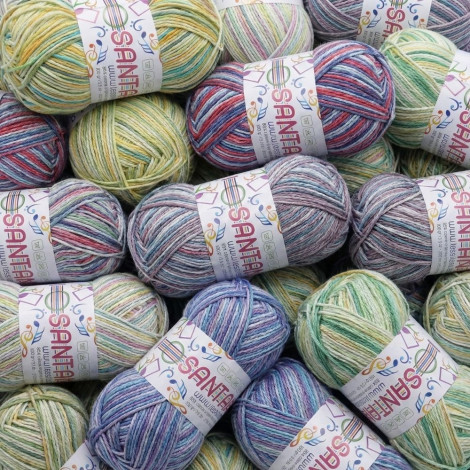
The Santana yarn ball is the perfect choice for anyone looking for a premium-quality ombre yarn. With its 85% organic cotton and 15% polyester blend, this 100-gram yarn ball combines freshness, durability, and a unique color play. Available on Tessiland with clear lot number information, Santana ensures consistent shades across all your summer projects.
The standout feature of Santana is its ombre effect, which creates natural, harmonious color transitions as you work, turning every project into a one-of-a-kind piece. Its 200 meters of length deliver excellent yield for yarn balls in this category, letting you complete full garments with just a few balls. The combination of organic cotton and polyester feels soft against the skin while providing a resilient structure that helps projects keep their shape over time. Ideal for needles or crochet hook 3-4, this yarn lends itself to endless creative interpretations: from light and airy tops to colorful accessories, from ombre shawls to home décor accents that add a lively touch to any space. The smooth, even texture ensures effortless stitching, while the ombre effect removes the need for manual color changes, making every project faster and more rewarding.
The technical analysis of Santana yarn reveals features that make it an excellent choice for spring and summer projects. The carefully balanced blend of natural and synthetic fibers, combined with the ombre effect, delivers practical and aesthetic benefits worth a closer look.
Working with Santana is extremely enjoyable thanks to its balanced structure. With needles or crochet hook size 3-4, the yarn glides smoothly through your fingers without splitting, creating even, well-defined stitches.
The ombre effect develops naturally as you work, with gradual transitions that follow the rhythm of your project. To maximize color harmony, we recommend:
The 200 meters per 100 grams yield places Santana among yarns with an excellent quality-to-quantity ratio, allowing you to complete medium-sized projects cost-effectively. Organic cotton adds softness and breathability, while polyester boosts durability and helps maintain shape.
Tessiland is the only e-commerce that displays the dye lot number directly on the product page, ensuring full transparency in your purchase. This is especially important for ombre yarns like Santana, where even small differences between lots can affect the overall harmony of the finished project.
When planning your project, keep these points in mind:
Lot variations in ombre yarns may affect color intensity, shade sequence, or the length of transitions. Even if they look subtle on small sections, these differences become noticeable on large areas such as a sweater body or a blanket.
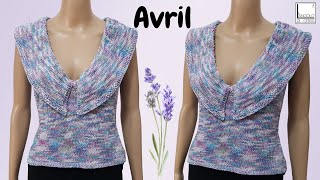
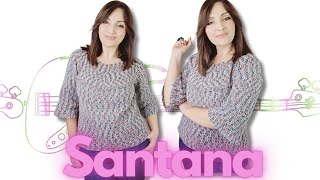
The versatility of Santana opens up endless creative possibilities, especially suited to the warm season. Its blend ensures freshness and comfort, while the ombre effect adds character to every creation.
Summer wear:
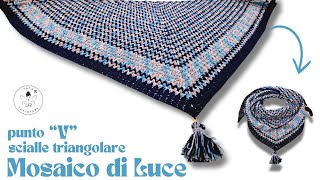
Accessories and home accents:
With 200 meters per yarn ball, you can make a top with 3-4 balls, a shawl with 2-3 balls, or a roomy bag with 4-5 balls.
Santana’s 85% organic cotton and 15% polyester blend is a thoughtfully designed balance between natural comfort and everyday performance. Understanding the properties of this mix helps you get the best out of the yarn.
Organic cotton forms the base of the yarn, providing:
The 15% polyester adds practical advantages:
This combination helps reduce some drawbacks of pure cotton (tendency to shrink or lose shape) while keeping its strengths. The yarn structure is compact but not stiff, with a medium twist that ensures stitch definition and dimensional stability.
Santana delivers excellent value for money considering the blend of features it offers. Looking at overall performance, it brings clear advantages for knitters and crocheters.
Meterage:
With 200 meters per 100 grams, Santana sits in the mid-to-upper range for this yarn type. This means:
Organic cotton quality:
Using certified organic cotton is an added value that supports the product’s positioning. Organic cotton requires more sustainable farming processes and typically offers superior softness and durability.
Ombre effect included:
The gradual color effect removes the need to buy and manage multiple separate shades, simplifying your work and reducing waste. On Tessiland, you’ll find Santana at competitive prices, with transparent dye lot information and customer support ready to help you choose and calculate the quantities you need.
Proper care for Santana yarn helps preserve the beauty and durability of your projects over time. Following the specific guidelines for this cotton-polyester blend ensures optimal results.
← Scroll to see more videos →
For more tutorials, to replace a yarn, to calculate the amount needed for your next creation, try the
✨ TESSILAND STUDIOHow many Santana yarn balls do I need for a summer sweater?
For a women’s summer sweater size M, 4-5 yarn balls of 100g Santana are generally enough, for a total of 800-1000 meters. For size L, 5-6 yarn balls are recommended, while smaller sizes (S-XS) may only need 3-4. Usage depends on the pattern you choose: a sleeveless top requires 2-3 yarn balls, while a long cardigan may need 7-8. We recommend purchasing all yarn balls from the same dye lot shown on Tessiland to ensure perfectly consistent shading.
Is Santana yarn suitable for crochet projects?
Absolutely! Santana works beautifully with a crochet hook size 3-4, creating defined, compact stitches. Its balanced structure doesn’t split as you insert the hook and helps maintain consistent tension. It’s ideal for summer bags, lace tops, shawls, and accessories. The ombre effect looks especially striking in circular projects like mandalas or cushion covers, where it forms concentric rings of color. For projects that need structure (like bags), crochet creates a denser fabric compared to knitting needles.
How do I manage yarn changes with ombre yarn?
With Santana, changing yarn balls takes a bit of care to keep the color flow consistent. We recommend starting the new yarn ball at the same point in the color sequence where the previous one ends. Unwind the yarn balls and compare shades before joining. Use the invisible knot method or felting (when applicable) to join ends. If you can’t match perfectly, place the join in less visible areas (underarms, side seams) or use the transition as an intentional decorative detail.
Does Santana’s organic cotton shrink when washed?
The organic cotton in Santana can shrink slightly on the first wash, like most cotton yarns. However, the 15% polyester stabilizes the fibers and significantly reduces this effect. To minimize shrinkage: always wash at max 30°C, avoid aggressive spinning, and dry flat without stretching. We recommend making a 10x10 cm gauge swatch, washing and drying it as instructed, then measuring any size changes so you can adjust your project accordingly.
Can I use Santana for baby projects?
Yes, Santana is suitable for baby projects thanks to the organic cotton that makes up 85% of its composition. Organic cotton is hypoallergenic, soft, and gentle on delicate skin. It’s perfect for lightweight blankets, hats, bibs, and small summer garments. The polyester content makes items more resistant to the frequent washing baby clothes require. Be sure to wash the finished item before first use to remove any manufacturing residues and soften the fibers further. Avoid decorations with small buttons or appliqués that could come loose.
What’s the difference between Santana dye lots?
Different Santana dye lots may show variations in color intensity, shade sequence, or the length of transitions between colors. These differences, even if minor, come from industrial dyeing processes and can become noticeable when combining yarn balls from different lots in the same project. Tessiland clearly displays the dye lot number on the product page, helping you shop consciously and ensure color consistency. For projects requiring multiple yarn balls, always order from the same lot. If it’s sold out, contact customer service to explore alternatives.
Is Santana suitable for winter projects or only summer?
Santana is mainly a spring-summer yarn thanks to its organic cotton blend, which prioritizes freshness and breathability. However, it can be used for light autumn projects such as shawls, open cardigans, or accessories. It’s not recommended for heavy winter garments, as it doesn’t provide enough thermal insulation. If you want an in-between-seasons project, consider layering-friendly designs to wear over long sleeves, or pair Santana with thermal linings for accessories like bags or cushions. Its versatility also makes it great for air-conditioned environments or cool spring evenings.
How do I calculate stitches per 10 cm with Santana?
A standard gauge with Santana worked with 3.5 mm needles in stockinette stitch typically yields 22-24 stitches per 10 cm in width and 28-30 rows per 10 cm in height. These numbers vary depending on personal tension, stitch pattern, and tool choice (needles or crochet hook). It’s essential to make a swatch before starting: work a square of at least 12x12 cm, wash and dry it as instructed, then measure the center area excluding the edges. If you get more stitches than expected, try larger needles; if you get fewer, go down a size. This step ensures your final measurements match the pattern.
Does Santana yarn pill or fuzz?
Thanks to the 15% polyester content, Santana has high resistance to fuzz and pilling compared to pure cotton. Synthetic fibers reinforce the yarn structure, reducing surface abrasion. In areas subject to more friction (underarms, cuffs, or inner thighs in pants), a small amount of pilling may appear after prolonged wear, but it’s usually very limited. To minimize it further: avoid repeated rubbing against rough surfaces, wash items inside out, use gentle detergents, and remove any fuzz with a fabric shaver instead of pulling it by hand.
Can I dye Santana yarn further?
Further dyeing Santana comes with some challenges. Organic cotton (85%) takes natural-fiber dyes well, but polyester (15%) requires synthetic dyes at high temperatures that aren’t compatible with cotton. The result would likely be an uneven two-tone effect where the cotton absorbs color while the polyester remains unchanged, altering the original ombre effect unpredictably. If you want to customize color, we recommend choosing the desired ombre shade among the available variants, or adding complementary colors with surface techniques such as embroidery, appliqués, or edging using other yarns—without compromising the yarn’s integrity.
Is Santana an eco-friendly and sustainable yarn?
Yes, Santana has sustainability benefits thanks to its 85% organic cotton content. Organic cotton is grown without synthetic chemical pesticides or artificial fertilizers, reducing environmental impact and supporting better conditions for farmers. Organic cotton production respects natural cycles and promotes biodiversity. The 15% polyester, while synthetic, contributes to the durability of the finished item: longer-lasting garments mean fewer replacements and therefore less textile waste. To maximize sustainability: care for your garments properly to extend their life, choose low-temperature washes, and reuse leftovers for small projects.
How should I store unused Santana yarn balls?
Proper storage preserves Santana’s quality until you’re ready to use it. Keep yarn balls in dry, cool, well-ventilated places, away from direct heat sources and humidity. Avoid prolonged exposure to sunlight, which may fade the ombre shades over time. Use breathable containers (like cardboard boxes or wicker baskets) instead of plastic bags, which can trap moisture. If storing for long periods, add lavender or cedar sachets to help deter moths, although cotton is generally less attractive to them than wool. Keep the original label with the dye lot number clearly visible so you can quickly identify the lot for future projects that require consistent color matching.