Carrello della spesa
0 prodotti
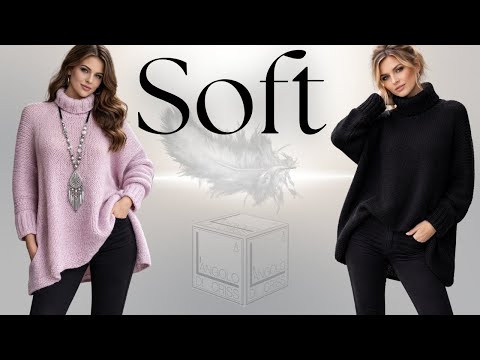
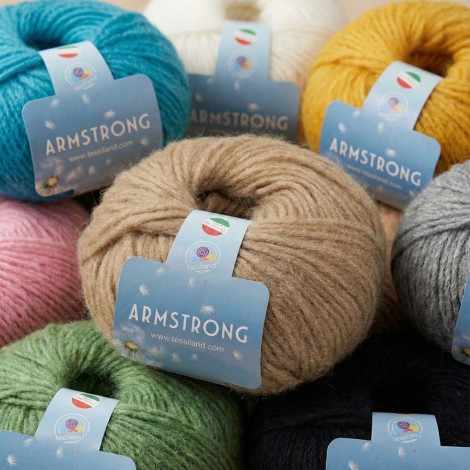
Top Baby Alpaca ball worked with an air technique for maximum softness and lightness. Composition 72% Baby Alpaca 8% Merinos 20% Polyamide, weighing 50 grams for 120 metres in length. Recommended needles 7-9 or crochet hook 6-8 for airy and warm creations.
.png)
First quality products
.png)
Free shipping on orders starting from €19 in ITALY
.png)
You may return the product within 30 days.
QUICK SPECS: Composition: 72% Baby Alpaca, 8% Merino, 20% Polyamide | Weight: 50g | Length: 120m | Recommended needles: 7-9 | Recommended crochet hook: 6-8 | Technique: Air-blown construction | Features: Airy, lightweight, warm
The Armstrong Baby Alpaca Lana Soffilo ball represents excellence in the world of premium yarns. Made with a special air technique that makes it incredibly airy and lightweight, this yarn combines the luxury of 72% Baby Alpaca with the strength of Polyamide, ensuring exceptionally soft and long-lasting creations. Available on Tessiland with the batch/lot number visible on the product page, for informed purchases with no surprises.
Discover the categories and get inspired
The exclusive Armstrong yarn blend – 72% Baby Alpaca, 8% Merino, 20% Polyamide – comes from the search for the perfect balance between thermal comfort and practicality. The special air-blown construction creates an airy structure that traps warmth without adding weight, while the natural fibres ensure softness that feels gentle on the skin. With 120 metres per 50 grams, this yarn offers excellent yield for larger projects such as oversized sweaters, wraparound ponchos and voluminous accessories. The combination of premium fibres makes it ideal for garments worn directly against the skin, while the Polyamide content ensures strength and easy care. Perfect for those working with needles 7-9 or crochet hook 6-8, Armstrong stands out for its smooth handling and its ability to enhance textured and soft stitches.
Armstrong Baby Alpaca Lana Soffilo yarn stands out for technical features that make it unique in the premium yarn landscape. The special air-blown construction and carefully selected fibres create a versatile product, suitable for both garment projects and luxury accessories.
The Baby Alpaca fibre, which makes up 72% of this yarn, comes from the first shearing of young alpacas and is renowned as one of the finest natural fibres in the world. Unlike traditional wool, Baby Alpaca features hollow fibres that trap air, creating exceptional thermal insulation while maintaining extraordinary lightness.
The distinctive qualities of Baby Alpaca include:
The 8% Merino adds elasticity and shape recovery, while the 20% Polyamide reinforces the overall structure, helping prevent wear in high-stress areas and making maintenance easier. This fibre synergy creates a yarn that combines the luxury of natural fibres with the practicality demanded by modern care needs.
The air-blown technique is the defining feature of Armstrong yarn. This air-based process adds volume to the fibres without compressing them, creating a lightweight and airy structure reminiscent of a cloud. The result is a yarn that weighs very little compared to its actual volume, with an exceptional ratio of 120 metres for just 50 grams.
The practical advantages of the air-blown construction:
While working, this yarn glides smoothly through the fingers and over the needles, without splitting or creating annoying knots. Its airy texture makes it especially suited to open and roomy stitches such as relaxed seed stitch, voluminous garter stitch or simple stockinette that highlights the natural softness of the fibre.
With 120 metres per 50 grams, Armstrong yarn offers generous yardage that translates into excellent value for medium and large projects. This meterage, combined with the recommended 7-9 mm needles, allows you to create garments with a soft and enveloping texture.
Practical considerations on meterage:
The air-blown structure means each ball looks more substantial than you would expect from its weight: a sweater that might seem to require many balls of a traditional yarn can be made with fewer Armstrong balls thanks to its airy volume. Tessiland shows the batch/lot number directly on the product page, allowing you to calculate the required quantity accurately and buy balls from the same dye lot. If a batch is sold out, the customer care team is always available to help you find solutions or alternatives.
Armstrong Baby Alpaca yarn lends itself to an extraordinary range of creative applications, both with needles and crochet hook. Its airy and soft nature makes it especially suitable for projects that require fluid drape and controlled volume.
Ideal knitting projects (7-9 mm needles):
Ideal crochet projects (6-8 mm hook):
Textured stitches such as cables, bobbles, wide ribbing or plush stitches find a perfect ally in Armstrong: the yarn structure enhances every raised detail without stiffening the fabric. Even simple stitches like stockinette take on a refined look thanks to the intrinsic quality of the fibres.
Armstrong Baby Alpaca yarn is dyed using processes that ensure deep colour penetration into both natural and synthetic fibres. The presence of 20% Polyamide helps the pigments stay fixed more effectively, while the air-blown structure allows for even colour distribution.
Colour characteristics and performance:
Over time, Armstrong yarn maintains its softness and volume. The Polyamide content helps prevent accidental felting and reduces pilling, a phenomenon that can affect some natural fibres. To preserve the airy structure at its best, it is essential to follow the washing instructions: always prefer delicate hand washing or machine washing on wool programmes, use detergents specifically formulated for delicate fibres and dry flat away from direct heat sources. A well-cared-for garment will retain its original beauty for many seasons.
To preserve the softness, volume and unique qualities of Armstrong Baby Alpaca Lana Soffilo yarn, it is essential to follow a few simple but important care instructions:
← Scroll to watch more tutorials →
For more tutorials, to substitute a yarn or calculate the yarn amount for your next creation,
✨ Open Tessiland StudioWhich projects is Armstrong Baby Alpaca Lana Soffilo yarn best suited for?
Armstrong is perfect for oversized sweaters, cardigans, ponchos and voluminous accessories such as chunky scarves and soft hats. Its airy structure makes it ideal for garments that need warmth without weight, fluid drape and maximum comfort against the skin. It is especially suitable for autumn-winter projects that combine contemporary style and practicality.
Is it also suitable for people with sensitive skin?
Yes, Baby Alpaca is naturally hypoallergenic and free from lanolin, so it is generally well tolerated even by those who are sensitive to traditional wool. The fibre is extremely soft and does not have the prickly feel of some wools. However, in case of specific allergies, we always recommend testing a sample before making larger projects.
How many balls are needed for a women’s size M sweater?
For a women’s size M long-sleeved sweater, you will need approximately 8-12 balls, depending on the pattern, desired length and working tension. The air-blown structure makes the yarn especially voluminous, so fewer balls may be needed compared with a traditional yarn of the same thickness. We recommend making a swatch and checking the specific pattern for an accurate calculation.
Can I machine wash garments made with Armstrong?
Yes, garments can be machine washed using the wool/delicates programme at a maximum of 30°C, with minimum or no spin. We recommend placing the garment inside a protective laundry bag and using detergents formulated for delicate fibres. However, hand washing remains the preferred option to best preserve the softness and airy structure of the yarn over time.
Does Armstrong yarn tend to pill?
The presence of 20% Polyamide in the composition significantly reduces the tendency to pill compared with yarns made from pure natural fibre. Any surface pills, which may appear during the first stages of use in areas subject to more friction, can be easily removed with a fabric shaver. Proper care and delicate washing help minimise this effect.
What types of stitches best enhance the qualities of this yarn?
Armstrong performs beautifully with simple and textured stitches: stockinette for a clean, contemporary look, garter stitch for soft textures, seed stitch for elasticity, cables and bobbles for three-dimensional detail. Its airy structure also makes open and dropped crochet stitches look beautiful. Avoid overly complex stitches that may hide the natural beauty of the fibres.
Is it important to buy balls from the same dye lot?
Absolutely yes. Even slight colour variations between different lots can show up in the finished garment, creating unattractive shade differences. Tessiland shows the batch/lot number directly on the product page, allowing you to check availability and purchase matching balls with confidence. If the batch is sold out, contact customer care for support in finding alternatives.
How should I store balls that have not yet been used?
Store the balls in a cool, dry place away from direct light, preferably in breathable fabric bags or closed boxes. Avoid damp environments that could alter the natural fibres. To protect them from moths and insects, use natural products such as lavender sachets or cedar wood. Keep the original labels so you can easily identify the batch and yarn characteristics.
Is Armstrong suitable for crochet projects as well as knitting?
Yes, this yarn also works perfectly with a 6-8 mm crochet hook. It is ideal for lacy shawls, stoles, decorative blankets, structured bags and voluminous hats. The softness of Baby Alpaca and the air-blown structure create crochet fabrics that are surprisingly lightweight and fluid, avoiding the stiff effect some yarns can produce with this technique.
How long does a garment made with Armstrong take to dry?
Thanks to its airy structure and the presence of Polyamide, Armstrong garments dry relatively quickly compared with pure wool yarns: under normal conditions (room temperature, good ventilation), a sweater can dry completely in 24-36 hours if laid flat. Avoid artificial heat sources, which could damage the fibres or alter the shape of the garment.
Is Armstrong yarn suitable for projects intended for children?
Yes, the softness of Baby Alpaca and the absence of lanolin make Armstrong suitable for garments intended for little ones too, such as blankets, hats and cardigans. The natural fibre is gentle on sensitive skin and the warmth it provides is ideal for protection against the cold. However, for garments intended for newborns or very young children, always check for any specific allergies and follow the washing instructions to maintain optimal hygiene.
How can I adjust my tension when working with this yarn?
Armstrong has a soft and smooth feel that requires a relaxed tension to enhance its airy structure. We recommend always making a swatch of at least 10x10 cm with the recommended needles or crochet hook, washing and drying it as you would the finished garment, then measuring it to check it matches the pattern instructions. If the fabric feels too stiff, try a larger needle/hook size; if it is too loose, go down one size.